Indigenous Peoples Symbol
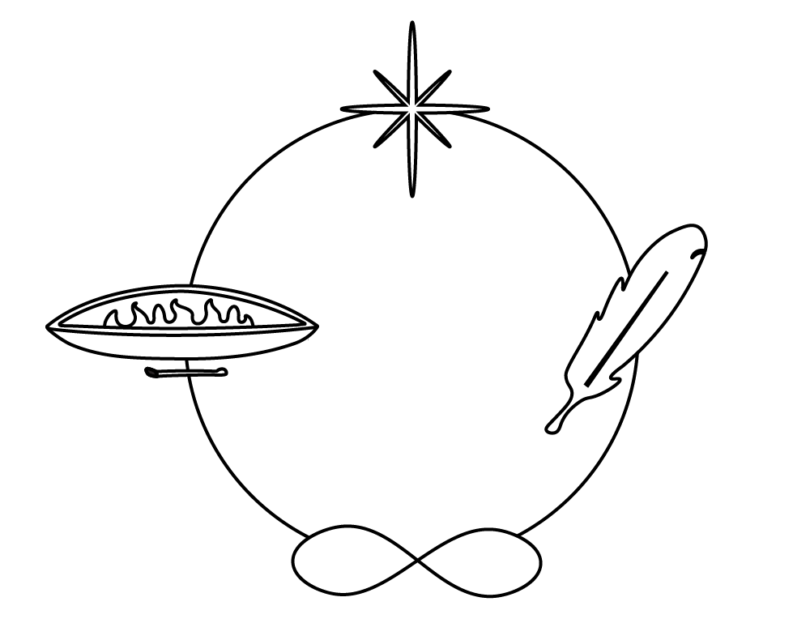
Connection, Knowledge Sharing, and Understanding
The Circle Emblem brings together an Anishinaabe Algonquin feather, the Métis infinity symbol, and an Inuit qulliq, connected by a circle and a North Star.
The emblem was drawn by Algonquin College’s Innovation and Entrepreneurship team under the direction and guidance of Trudy Metcalfe-Coe, Inuk Elder, and Anita Tenasco, Director of Indigenous Initiatives. Through several discussions discussion and shared learning, the team translated their ideas, selected symbols, and cultural guidance into the visual design.
The emblem expresses equal regard for the peoples represented. It provides a visual connection to opportunities for learning, sharing knowledge, building understanding, and advancing truth and reconciliation.
The Circle and Equal Regard
Each symbol forms part of a shared circle. The arrangement avoids placing the peoples represented in a sequence of first, second, or third. Each holds a place of equal importance, with its own distinct identity.
Rounded contours and flowing linework connect the elements throughout the design. The feather, the loops of the infinity symbol, and the curves of the qulliq and its flames contribute to this sense of flow.
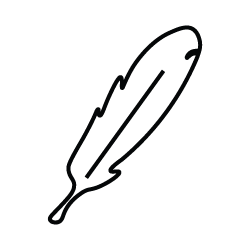
The Feather: Responsibility
The feather represents Algonquin Anishinaabe people within the emblem. In Anishinaabe teachings, the eagle feather is a sacred symbol of honour and a connection to the eagle and the Creator. Receiving and caring for an eagle feather carries responsibility, and feathers hold important roles in ceremony, celebration, and seeking guidance.
These meanings connect honour with responsibility, recognizing the care, knowledge, and commitment people bring to their communities.

The Infinity Symbol: Métis continuity
The infinity symbol represents the Métis Nation. Featured on the Métis flag, its continuous form expresses the enduring presence of Métis people and culture. It carries meanings of continuity and pride, linking generations through a distinct and living identity.
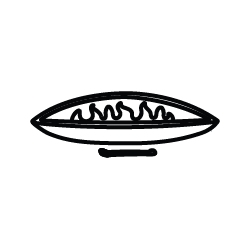
The Qulliq: Care
The qulliq is a traditional Inuit oil lamp, commonly carved from soapstone. Oil from animal fat fuels a wick made from Arctic cotton and moss. Its light and he
at supported daily life, providing warmth for homes, heat for cooking and melting ice, and a means of drying clothing.
The slender tool beside the lamp tends the wick and maintains the flame. Often cared for by women, the qulliq sustained families through knowledge, skill, and attentive care. It continues to have a place in ceremonies and gatherings today.

The North Star: Possibility
At the top of the circle, the North Star serves as a shared point of orientation within this design. It represents guidance, possibility, and the ways we help one another find a path forward
Truth and Reconciliation
Truth and reconciliation involves acknowledging the history and continuing impacts of residential schools and colonialism, respecting Indigenous rights, and taking action to address inequities. It requires ongoing relationships grounded in listening, understanding, accountability, and action.
Explore Indigenous histories and perspectives, read the Truth and Reconciliation Commission’s Calls to Action, and consider how they connect to your work, your community and your daily life.
Explore resources from the National Centre for Truth and Reconciliation
Explore Indigenous initiatives at Algonquin College