Student Experience
What to Expect
Discover Biotechnology through Hands-On Learning
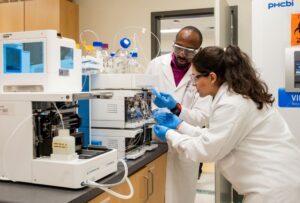
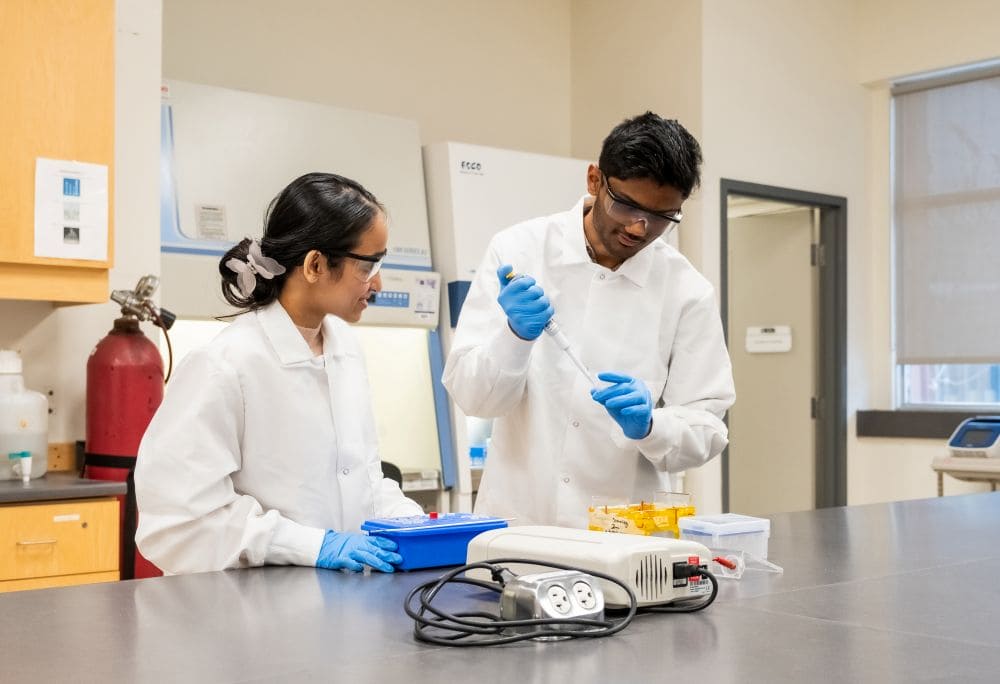
Biotechnology at Algonquin College is an immersive, hands-on learning experience that brings science to life. From your first year, you’ll spend significant time in the laboratory, developing practical skills while exploring how biology and chemistry are used to solve real-world challenges in health, agriculture, industry and the environment.
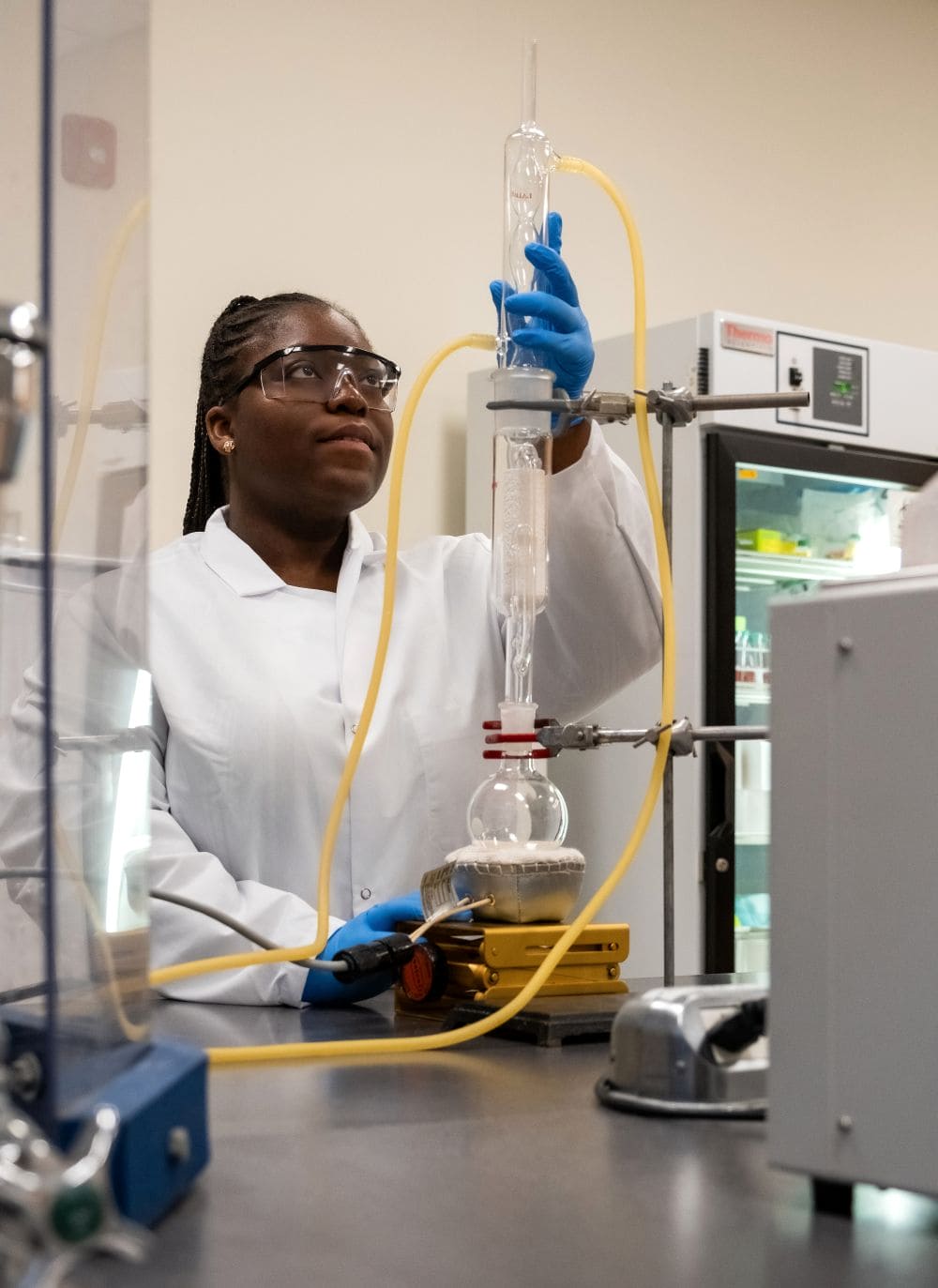
Throughout this three-year advanced diploma program, you’ll build a strong foundation in the biological and chemical sciences while gaining experience with modern laboratory techniques and instrumentation. You’ll explore disciplines such as microbiology, molecular biology, biochemistry, cell culture, analytical chemistry and bioprocessing. Small class sizes and experienced faculty provide a supportive learning environment where you’ll have opportunities to ask questions, collaborate with classmates and develop confidence in your technical abilities.
As you progress through the program, laboratory activities become increasingly complex and independent. You’ll learn to design and conduct experiments, troubleshoot procedures, analyze and interpret data, and communicate scientific findings.
In your final year, you’ll bring these skills together through advanced laboratory courses, collaborative research projects and opportunities to apply your knowledge in professional settings.
Field placements, industry aligned research and co-operative education provide pathways to gain valuable workplace experience and build professional connections. You’ll graduate with versatile laboratory skills and a strong foundation for career development or further education.
Success Stories & Testimonials
Work Integrated Learning
Take Your Learning Beyond the Classroom
At Algonquin College, learning biotechnology goes beyond theory and laboratory exercises. Throughout the program, students develop practical skills and have opportunities to apply their knowledge to real-world challenges through workplace experiences, industry partnerships and applied research.
Whether you’re gaining experience with an employer, contributing to a research project or tackling an industry challenge, these experiences help you build confidence, develop professional connections and explore potential career paths.
Field Placements — Experience the Workplace
Field placements provide opportunities for students to apply their laboratory skills in professional settings. Working alongside experienced scientists and technical professionals, students gain exposure to workplace practices, specialized equipment and the day-to-day operations of biotechnology organizations.
These experiences help students strengthen their technical abilities, develop professional skills and better understand the career opportunities available after graduation.
Co-operative Education — Earn While You Learn
Eligible Biotechnology students can pursue paid co-operative education opportunities with employers in biotechnology and related sectors.
Co-op work terms allow students to apply classroom knowledge in professional environments, develop industry-specific skills and build valuable connections with potential employers. Students may gain experience in areas such as research and development, biomanufacturing, quality control and laboratory testing.
Co-op positions are competitive and subject to eligibility and employer availability.
Partner with Local Industry on Applied Research Projects
A defining feature of the program is the opportunity to collaborate with industry and faculty on authentic research challenges. Through the third-year Innovations in Research and Development and Project Incubation courses, students work in small teams to design, execute, and present applied research projects generated by industry partners, faculty researchers, or student-led initiatives.
These experiences help students develop not only technical laboratory competencies, but also the project management, critical thinking, communication, and collaboration skills that are highly valued across the biotechnology sector