Students
Stories relevant to students seeking advice, updates and relevant information pertaining to landing employment and/or co-op positions
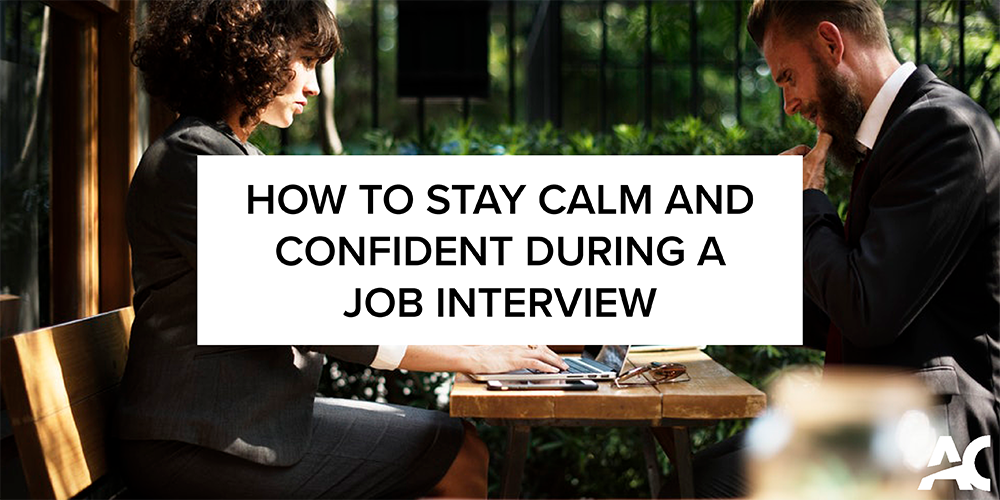
You’ve written a killer resume, crafted a successful cover letter, and applied to a great job. Your hard work has paid off, and the employer has called you to set up a job interview.
The job interview is your first real opportunity to meet with HR or hiring managers at the organization you want to work for. It’s the first time you get to really talk with them and share your achievements, and their first chance to assess your experience and personality for the job. A lot is riding on an interview—so it’s really easy to get nervous about them.
But being nervous during an interview isn’t necessarily a good thing. Being nervous can mean having shaky hands, stumbling over your words, or being unable to think clearly. It can make your interview much more difficult. Luckily, there are tons of ways of dealing with nervousness, so you can walk into the interview room calm, composed, and confident. Here are some ways to combat interview nervousness.
 Continue reading →
Look, we get it—writing resumes is hard. You’re putting together a document that lists your work history and experiences in the hopes that it will be good enough to land you a new job. Often, you’re doing so without having any relevant experience to the job you’re applying to, which adds a whole new level of stress and confusion.
And then there are the job descriptions. A list of the places you’ve worked and the tasks you did while you were there. As students, this often means describing retail, service industry, or food service jobs. How can you possibly make those job descriptions relevant?
Luckily, we have great news for you: there is an easy way of writing job descriptions. There’s even a formula. And today, we’re going to share it with you.

Continue reading →
The portfolio is a key part of your job hunt toolkit. It’s a way of showing employers what kind of work you do and the accomplishments you’ve made. We’ve written a guide to building your first portfolio here. The main takeaways from that article? Think about your audience, think about the work you want to be doing, and make it look good.
But a portfolio is not a static item, and like all your job search materials, you should update it regularly. How do you bring your portfolio up-to-date and make it extra shiny for employers? Read on!
 Continue reading →
In the past decade or so, the landscape of a job search has changed dramatically. We’ve gone from traditional door-to-door job searches to internet searches; real-life boards with jobs printed out and posted to digital job boards with hundreds of jobs listed. And while the internet has helped the job seeker in so many ways—hello, LinkedIn—it’s also created a challenge: in the digital world, how do you stand out from all the other applicants out there?
One way of doing so is to go back to basics. There’s nothing wrong with electronic job boards, but it is really hard to stand out to employers when you use them. Knowing how to job search without using a job board is a useful skill, and so today we’re going to talk about three alternatives to use in your job search.
 Continue reading →
Email is the omnipresent method of communication in just about every industry there is. It’s become so ubiquitous in work environments that it’s easy to forget that email is a relatively new tool.
As with any new technology, there’s a set of constantly-evolving email etiquette rules that you should be familiar with. Writing a polite, succinct email can help establish you as a professional in your work environment. It’s so important that we’ve written a blog post covering the foundation of a great email here. The basics are: keep it short, proofread, and know when not to email.
But there are more things to bear in mind with emails, so today we’re going to dive in a bit deeper and take a look at three more ways to master your email etiquette.

Continue reading →