Child and Youth Care
Turn your passion for helping into a rewarding career.
- Only program in Ontario that offers two therapeutic outdoor activity courses in the fall and winter
- Students are matched with a placement based on their strengths and community needs
- By the end of the program students will have 1000 hours of practical experience in the field of child and youth care in two different work environments
Program Availability and Schedule
Availability
Open
Closed
Waitlisted
Start Term
Availability
International
Availability
Competitive?
Fall 2026
No
Winter 2027
No
Fall 2027
No
Schedule
Program Summary
Credential
Program Delivery
Program Code
Area of Interest
School
Campus
Other Campuses
Work Integrated Learning
Eligible for Post-Graduation
Work Permit?
CIP Code(s): 44.0702
The three-year Child and Youth Care Ontario College Advanced Diploma program prepares you to support vulnerable children, youth and families with complex needs.
Learn a wide range of prevention and intervention strategies that foster positive change and healthy development. Assess the strengths and needs of young people and families and develop interventions to meet those needs. Apply the principles of relational practice, lifespace engagement and anti-oppressive practice while working with children, youth and families. In classes, you learn practical and theoretical concepts and then apply them in field placements....(read more)
Overview
Turn your passion for helping into a rewarding career.
The three-year Child and Youth Care Ontario College Advanced Diploma program prepares you to support vulnerable children, youth and families with complex needs.
Learn a wide range of prevention and intervention strategies that foster positive change and healthy development. Assess the strengths and needs of young people and families and develop interventions to meet those needs. Apply the principles of relational practice, lifespace engagement and anti-oppressive practice while working with children, youth and families. In classes, you learn practical and theoretical concepts and then apply them in field placements.
Working with young people in field placements helps you to develop into a confident and competent child and youth care practitioner. By the end of this program, you have practical experience in two different work environments in the field of child and youth care.
This program offers two courses in outdoor activities. In these courses, you learn to facilitate activities in the outdoors while on a two-day overnight camping trip with fellow classmates and faculty a truly memorable learning experience.
There is a wide variety of work opportunities for you after graduation. As a child and youth care practitioner, you may find employment in a variety of environments:
- group homes
- hospitals
- mental health treatment centres
- shelters
- schools
- youth justice programs
- community resource centres
If you are interested in furthering your education, this program is a good foundation for future studies in child and youth care, education, social work, psychology and sociology.
FOR ONLINE STUDENTS ONLY
Online students complete Year 1 courses (Levels 01 and 02) online and must transfer on campus for in-person learning for Years 2 and 3 (Levels 03 to 06). Students cannot complete the entire advanced diploma online.
Courses
Programs at Algonquin College are delivered using a variety of instruction modes. Courses may be offered in the classroom or lab, entirely online, or in a hybrid mode which combines classroom sessions with virtual learning activities. Upon registration, each full-time student is provided an Algonquin email account which is used to communicate important information about program or course events.
Code:
ENL1004
Course Name:
Professional Communication Essentials
Course Description:
Communication remains a fundamental skill regardless of discipline or field of study. Using an applied approach, students focus on writing, ... + Read More
Hours:
42.0
Code:
FAM0096
Course Name:
Anti-Oppressive Practice in Child and Youth Care
Course Description:
The children, youth and families served by child and youth care practitioners are disproportionately impacted by systemic inequalities, disc... + Read More
Hours:
28.0
Code:
FAM1054
Course Name:
Introduction to Child and Youth Care
Course Description:
Children, youth, families and communities may require support from child and youth care practitioners in order to lead healthy lives. Studen... + Read More
Hours:
42.0
Code:
FAM1298
Course Name:
Child Development
Course Description:
The early years are very important in the optimal healthy development of a human's life. From conception to 12 years old, an interactive pro... + Read More
Hours:
28.0
Code:
FAM1308
Course Name:
Mental Health
Course Description:
Child and youth care workers regularly engage with and support young people experiencing mental health challenges that can interfere with th... + Read More
Hours:
42.0
Code:
FAM0075
Course Name:
Adolescent Development
Course Description:
Adolescence is a distinct phase of development and one in which young people experience rapid growth. Students explore physical, cognitive, ... + Read More
Hours:
28.0
Code:
FAM0077
Course Name:
Systems Navigation for Child and Youth Practitioners
Course Description:
A young person's healthy development and their family's and community's well-being are impacted by the institutional systems in society. St... + Read More
Hours:
28.0
Code:
FAM0097
Course Name:
Diversity
Course Description:
Child and youth care practitioners work with diverse populations. Students explore concepts of equity, diversity, and inclusion as they rela... + Read More
Hours:
28.0
Code:
FAM1058
Course Name:
Field Preparation
Course Description:
The development of professional skills supports students in the transition from an academic environment to a field placement. Students deve... + Read More
Hours:
28.0
Code:
GED0476
Course Name:
General Education Elective
Course Description:
Students choose one course, from a group of general education electives, which meets one of the following five theme requirements: Arts in S... + Read More
Hours:
42.0
Code:
FAM0079
Course Name:
Field Practice Supervision 1
Course Description:
Reflective practice and professional development are core skills of child and youth care practitioners. Receiving ongoing professional super... + Read More
Hours:
24.0
Code:
FAM1050
Course Name:
Therapeutic Activities
Course Description:
Child and youth care practitioners intentionally engage with young people using recreation, crafts, and games to enhance healthy development... + Read More
Hours:
39.0
Code:
FAM1064
Course Name:
Child and Youth Care Interventions
Course Description:
Children and youth in crisis require professionals to intervene using a trauma-informed, proactive and safe approach. Students build skills ... + Read More
Hours:
39.0
Code:
FAM1075
Course Name:
Field Practice 1
Course Description:
Field practice experiences offer developing child and youth care students an opportunity to begin to integrate theory learned in the classro... + Read More
Hours:
175.0
Code:
FAM1082
Course Name:
Counselling Skills
Course Description:
Listening and collaboration are central to building therapeutic relationships and supporting change in young people. Students explore person... + Read More
Hours:
39.0
Code:
FAM0064
Course Name:
Field Practice Supervision 2
Course Description:
Consistent reflective practice and ongoing professional development are core skills of child and youth care practitioners. Students build up... + Read More
Hours:
26.0
Code:
FAM1060
Course Name:
Therapeutic Programming
Course Description:
Creating and delivering programs that benefit young people is a core skill area of child and youth care practitioners. Students assess stren... + Read More
Hours:
42.0
Code:
FAM1275
Course Name:
Field Practice 2
Course Description:
Extended time with a child and youth care organization allows students to increase fluency of skills and scope of responsibilities in the fi... + Read More
Hours:
224.0
Code:
FAM1299
Course Name:
Trauma and Abuse
Course Description:
Childhood trauma, abuse and neglect can be the lived experience of many young people and families served by child and youth care practitione... + Read More
Hours:
28.0
Code:
GED0476
Course Name:
General Education Elective
Course Description:
Students choose one course, from a group of general education electives, which meets one of the following five theme requirements: Arts in S... + Read More
Hours:
42.0
Code:
FAM0098
Course Name:
Field Practice Supervision 3
Course Description:
Professional child and youth care practitioners are expected to engage in ongoing critical reflection, self-inquiry, and professional develo... + Read More
Hours:
12.0
Code:
FAM1081
Course Name:
Group Work
Course Description:
Working in a group milieu is a key component in child and youth care practice. Students explore the process of establishing therapeutic grou... + Read More
Hours:
39.0
Code:
FAM1276
Course Name:
Field Practice 3
Course Description:
Exposure to more complex child and youth care settings supports the development of advanced skills through the integration of theory and pra... + Read More
Hours:
203.0
Code:
FAM1305
Course Name:
Substance Abuse
Course Description:
Child and youth care practitioners frequently work with young people experiencing challenges with addictions. Students gain basic knowledge ... + Read More
Hours:
26.0
Code:
FAM1306
Course Name:
Assessment and Intervention Planning
Course Description:
Child and youth care practitioners use strength-based assessment methods to develop goals, to design care and intervention plans, and to sel... + Read More
Hours:
26.0
Code:
FAM1309
Course Name:
Outdoor Activities Leadership Camp
Course Description:
Time spent outdoors and in nature supports physical, emotional, and relational well-being. As part of professional Child and Youth Care prac... + Read More
Hours:
30.0
Code:
FAM0014
Course Name:
Group Program Design
Course Description:
Group programming is a valuable tool for Child and Youth Care practitioners to help meet the needs of children and youth. Students apply the... + Read More
Hours:
28.0
Code:
FAM0099
Course Name:
Field Practice 4
Course Description:
Supervised practice at the level of a graduate affirms work-place readiness for the child and youth care practitioner. This culminating pla... + Read More
Hours:
245.0
Code:
FAM0107
Course Name:
Field Practice Supervision 4
Course Description:
Employment-ready child and youth care practitioners are required to consistently apply facilitation, leadership, collaboration, reflective p... + Read More
Hours:
14.0
Code:
FAM1307
Course Name:
Family Interventions
Course Description:
Child and youth care practitioners are integrated in the support provided to families in various milieus. The impact of culture, privilege a... + Read More
Hours:
28.0
Careers & Pathways
Careers
Graduates may find employment as child and youth care practitioners, youth workers, educational assistants, case coordinators, child advocates, child and youth counsellors, and community, family, or housing support workers.
Pathways
Please note: There may be more pathways available for this program than are listed here. Please use our Pathways search tool to see every option.
Learning Outcomes
The graduate has reliably demonstrated the ability to:
- Develop and maintain therapeutic relationships with children, youth and their families, respecting their unique life spaces, and applying the principles of relational practice to meet their needs.
- Assess the strengths, developmental and holistic needs of children, youth and their families, using methods grounded in theoretical frameworks, research and therapeutic practices, to develop care and intervention plans.
- Develop and implement care and intervention plans appropriate for the therapeutic milieu using evidence-informed practices and research to provide support for children, youth, and their families.
- Use equitable and inclusive approaches that are anti-colonial, anti-oppressive, anti-racist, and strength-based frameworks, as well as cultural humility, to create positive and sustainable solutions and respond to inequities and to systemic barriers experienced by children, youth and their families.
- Advocate for, and in solidarity with, children, youth, their families and communities through their participation in the development and implementation of care and intervention plans that uphold their rights.
- Employ communication, collaboration and relational skills with the inter-professional team and with community partners to ensure and enhance the professionalism of practice.
- Engage in self-inquiry, relational inquiry and critical reflection to develop strategies for learning and the practice of self-care, as a practitioner.
- Use professional development resources and supervision to increase professional capacity, learning and leadership skills.
- Adhere to relevant legislation and Child and Youth Care standards of practice, competencies, and codes of ethics as a practitioner.
- Practice in a variety of contexts and settings, respecting needs for developmental growth, safety, wellbeing, and agency, while addressing the varying age and developmental ranges of children, youth, and their families.
- Employ crisis prevention and intervention techniques, and harm-reduction principles, with children, youth and their families in the provision of care, to ensure their safety, resolution of crises, and reparation of relationships.
- Develop the capacity to work with children, youth and families who identify with Indigenous, Black, and racialized communities, as well as people in LGBTQ2+ and disabled communities, by identifying systemic inequities and barriers, integrating practices such as trauma-informed care, and respecting their inherent rights to self-determine.
- Identify and apply discipline-specific practices that contribute to the local and global community through social responsibility, economic commitment and environmental stewardship.
Tuition & Fees
Get an idea of how much each semester will cost with our Tuition and Fee Estimator.
Textbook and course material costs are available on the Algonquin College bookstore website.
2026/2027 Academic Year
Tuition and related ancillary fees for this program can be viewed by using the Tuition and Fees Estimator tool at www.algonquincollege.com/fee-estimator
Further information on fees can be found by visiting the Registrar's Office website at www.algonquincollege.com/ro
Fees are subject to change.
Additional program related expenses include:
Supplies and textbooks cost approximately $1,000 in the first year, $1,000 in the second year and $650 in the third year. Additional expenses related to field placement requirements: Police records check, health immunizations and first aid are the responsibility of the student and can cost up to $350. The ParaMed documentation clearance fee is approximately $65 and is set by ParaMed, a third-party provider.
Admissions Requirements
All applicants must satisfy both College Eligibility and Program Eligibility requirements.
College Eligibility
- Ontario Secondary School Diploma (OSSD) or equivalent;
- Mature Student status (19 years of age or older and without a high school diploma at the start of the program). Eligibility may be determined by academic achievement testing, for which a fee will be charged.
Program Eligibility
- English, Grade 12 (ENG4C or equivalent) with a minimum grade of 65% or higher.
- Applicants with international transcripts must provide proof of the subject specific requirements noted above and may be required to provide proof of language proficiency. Domestic applicants with international transcripts must be evaluated through the International Credential Assessment Service of Canada (ICAS) or World Education Services (WES).
- IELTS-International English Language Testing Service (Academic) Overall band of 6.5 with a minimum of 6.0 in each band; OR TOEFL Internet-based (iBT) tests taken prior to January 21, 2026 overall 88, with a minimum in each component: Reading 22; Listening 22; Speaking 22; Writing 22; OR TOEFL Internet-based (iBT) tests taken after January 21, 2026 overall 4.5, with a minimum in each component: Reading 4.5; Listening 4.5; Speaking 4.5; Writing 4.5; OR Duolingo English Test (DET) Overall 120, minimum of 120 in Literacy and no score below 105.
Should the number of qualified applicants exceed the number of available places, applicants will be selected on the basis of their proficiency in English.
Application Information
CHILD AND YOUTH CARE
Program Code 0476X01FWO
Applications to full-time day programs must be submitted with official transcripts showing completion of the academic admission requirements through:
ontariocolleges.ca
60 Corporate Court
Guelph, Ontario N1G 5J3
1-888-892-2228
Students currently enrolled in an Ontario secondary school should notify their Guidance Office prior to their online application at www.ontariocolleges.ca.
Applications for Fall Term and Winter Term admission received by February 1 will be given equal consideration. Applications received after February 1 will be processed on a first-come, first-served basis as long as places are available.
International applicants please visit this link for application
process information: https://algonquincollege.my.site.com/myac360/s/
For further information on the admissions process, please visit:
Admissions - Registrar's Office https://algonquincollege.com/ro/admissions/
Additional Information
Program Resources
Field Placement Eligibility
Field placements occur only in second and third year of the program.
To be eligible for placement, you must submit proof of Standard First Aid certification, CPR level C, PRCSVS, and complete and up to date immunizations to ParaMed. ParaMed services are the third-party provider who collects all field placement documentation for the Community Studies department.
Police Records Check Documentation
Students must provide the College with a current Police Records Check for Service with the Vulnerable Sector (PRCSVS) prior to field placement and students are responsible for any associated costs. If this documentation is not submitted by the deadline identified by the department, students may not be placed in field practice and progression through the program may be delayed. If you cannot complete field placement, you will not be able to graduate.
Health Requirements
The physical and emotional health of each applicant to the program must be such that they can successfully cope with the program of instruction including the demands of field placement. If you have any physical or emotional limitations that may impact your studies contact the coordinator of the program prior to submitting an application.
Program Progression
All courses in Level 01 and Level 02 (Year 1) must be successfully completed before entering Level 03 (Year 2) of the program. All courses in Level 03 and Level 04 (Year 2) must be successfully completed before entering Level 05 courses (Year 3) of the program. When reducing a course load in Year 2 and Year 3 of the program, all theory courses must be completed before the field practice related course.
Scheduling of On-Campus Courses
The Child and Youth Care program consists of courses that are delivered in a variety of formats including face-to-face in a classroom and hybrid(combination of classroom and independent learning). Students participate in both types of learning. Students also participate in laboratory and field placement learning activities.
Class schedules vary from term to term and courses may be scheduled between the hours of 8 a.m. and 10 p.m. Monday through Friday. Classes for first-year students run Monday through Friday. Second and third-year classes take place on campus two days per week. Field placements occur off campus three days per week. Some field placements require the student to be available for evening or weekend shifts.
There is only a two-week break between the first and second year of the program for students in the January intake. Students who begin the program in January will complete the first year from January to August and complete the second year of the program from September to April. Please note there is no extended break between Year 1 and Year 2.
Contact
Andie Fournier
Program Coordinator (Year 1)
Room C230
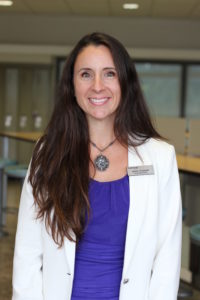
An alumni of the Child and Youth Worker program at Algonquin College Andie has been a faculty member since 2002 using her background in frontline and supervisory roles with experience working with diverse groups of young people, including those facing street involvement, sexual exploitation and trafficking, young parents, children within the educational system, and youth & their families in out-of-home care to infuse her teaching. She is a member of the Ontario Association of Child and Youth Care and certified through the Child and Youth Care Certification Board. Andie has BA in Child and Youth Care and a MEd in Educational Leadership. She is passionate about equipping others with tools to navigate challenging situations with empathy and care, promoting optimal healthy development for young people and the use of creative, strengths-focused interventions.
Vicki Grisim
Program Coordinator (Year 2 & 3), Professor
Room C230m
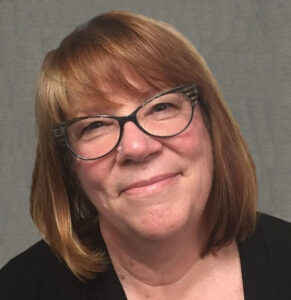
Vicki Grisim
Program Coordinator (Year 2 & 3), Professor
613-727-4723, ext. 5170
Vicki is a graduate of the Child and Youth Worker program at Humber College. Her many years of experience in the field of Child and Youth Work included working directly with young people with complex needs and their families in a variety of settings such as shelters, custody facilities and in the community. Vicki holds a Bachelor’s Degree in Psychology and a Master’s Degree in Education both from the University of Ottawa. In 2020, Vicki received the NISOD Excellence Award in recognition of her commitment and contribution to her students and colleagues. As a Coordinator, Vicki collaborates with students to help them navigate their journey within the Child and Youth Care program in a manner that supports their learning. In her classes, Vicki’s focus is to guide students in developing the necessary skills to work with vulnerable young people from a place of knowledge and compassion.
April Mallett
Professor
Room C230h

April Mallett has been a professor at Algonquin College since 2015. She has a Masters degree in Child and Youth Care from the University of Victoria, and a Bachelors degree in Psychology from the University of Toronto. She is also a graduate of the Child and Youth Worker program at Algonquin College.
In her career as a Youth Worker, April designed and delivered programs that mixed positive youth development and community development. Her favourite projects mixed group work with young people and sustainable food production for communities.
Stephanie Griffin
Professor
Room C230l
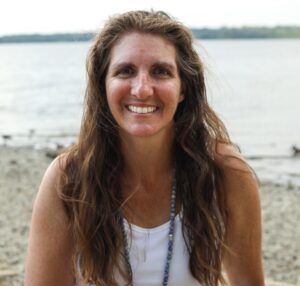
Dr. Stephanie Griffin has been a professor at Algonquin College since 2010. She is a graduate of the Child and Youth Worker program at Algonquin College. Additional education includes a Bachelor of Child and Youth Care from Toronto Metropolitan University, a Masters of Education from the University of British Columbia, and a PhD in Child and Youth Care from the University of Victoria.
With more than 30 years of experience in the field, Stephanie’s practice has focused on community health and development, outdoor adventure programming, and street-involved youth. Recently, she has begun to explore the therapeutic benefit of circus arts for mental and physical well-being.
Stephanie is a member of the Ontario Association of Child and Youth Care.
Michael Black
Professor
Room C230f

Michael Black is an Algonquin College Child and Youth Worker program graduate. Upon entering the field in 2007, Michael worked in community and group care settings. This experience soon led to transitioning into a community-based youth justice organization. In this role, the focus was to align himself with the youth/family and help connect with service providers to reduce the risk of reoffending. Throughout his career, Michael remained connected to the Child and Youth Care program through guest speaking in classrooms, supervising students and teaching part-time. After working in the field for 11 years, Michael returned to Toronto Metropolitan University to complete his Master’s Degree in Child and Youth Care. In 2018, Michael joined the Algonquin Child and Youth Care faculty as a full-time instructor.