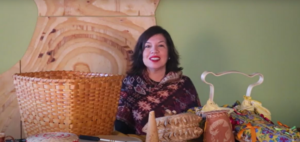
As part of Algonquin College’s commitment to expanding the traditional Anishinàbe (ah-nish-in-AHH-bay) Algonquin Nation language on campus, we are sharing vocabulary, phrases and information to familiarize learners and employees with the traditional language.
Our Pembroke Campus is home to an Indigenous Medicine Wheel Garden Kichitwàwiz-i Mashkikì Kitigànens (Kih-chi-twah-wiz-ih Mush-kee-kee Kih-ti-gah-nehs).
A medicine wheel garden is a circular garden divided into four sections that represents a connection to the Creator. Each direction represents a unique spiritual connection with the Earth. The Indigenous Medicine Wheel Garden is a space for reflection, prayer and healing. Read more >
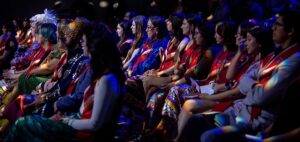
Indigenous potential graduates from the Ottawa-area post-secondary institutions, including Algonquin College, were celebrated on Friday, April 25 during the 17th annual Indigenous Graduate Honouring Ceremony held at La Cité. The featured Indigenous guest speakers, ceremonial drumming and cultural performances.
Community dignitaries included Reepa Carleton (Inuit), and Veda Wesalake (Métis). All offered words of wisdom to the potential graduates. The SpiritWolf Singers provided an opening song, closing song and honour song for graduates during the ceremony. The celebrations saw a traditional Hoop Dance performed by Makhena Rankin. Dr. Kahente Horn-Miller and Darren Sutherland acted as the Masters of Ceremonies for the event. Read more >
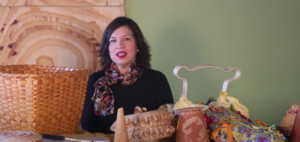
As part of Algonquin College’s commitment to expanding the traditional Anishinàbe (ah-nish-in-AHH-bay) Algonquin Nation language on campus, we are sharing vocabulary, phrases and information to familiarize learners and employees with the traditional language.
Algonquin College’s Ottawa Campus is home to the Three Sisters Garden. The Haudenosaunee, (hode-in-OH-show-nay)or “people of the longhouse,” are commonly referred to as Iroquois or Six Nations in what is now northern New York state. The Three Sisters symbolize peace, friendship and respect and includes traditional plantings of corn, beans and squash.
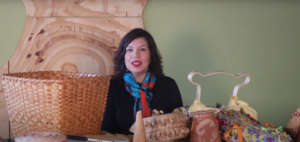
As part of Algonquin College’s commitment to expanding the traditional Anishinàbe (ah-nish-in-AHH-bay) Algonquin Nation language on campus, we are sharing vocabulary, phrases and information to familiarize learners and employees with the traditional language.
In 2022, major routes within and between each building at the Ottawa Campus were identified to become interior “pathways” and were assigned an animal and a coordinating colour for enhanced wayfinding.
The five major corridors include bear/màkwa (MAH-KWAH), wolf/mahìngan (mah-ING-gen), blue jay/tendesì (TEN-DEH-see) moose/mònz (monzz) and deer/wàwàskeshi (wah-wash-KESH-shee). Read more >
Nawapon played host to an enthusiastic group of faculty and employees on Tuesday, April 8, as participants attended the Tea, Teaching and Bannock Language Lab to enhance familiarity with the Anishinàbe language, encouraging them to use traditional words and phrases with confidence.
“This event exemplifies how we bring our classroom work into the public domain and invite everyone to participate,” said Claude Brulé, Algonquin College President and CEO. “From our hallways to our campus streets and several of our gathering locations, Anishinàbe words and phrases are prominent throughout.” Read more >
As part of Algonquin College’s commitment to expanding the traditional Anishinàbe (ah-nish-in-AHH-bay) Algonquin Nation language on campus, we are sharing vocabulary, phrases and information to familiarize learners and employees with the traditional language.
In 2023, four private streets at the Ottawa Campus were named official city streets in collaboration with the City of Ottawa. They are Wajashk (WAH-jashk) Private, Nigig (NIH-gig) Private, Adjidjàk (AH-gee-djak) Private and Wàbisheshì (WAH-BAH-SHesh-shee) Private. Wajashk means muskrat, nigig means otter, adjidjàk means crane and wàbisheshì means marten. Read more >
As part of Algonquin College’s commitment to expanding the traditional Anishinàbe (ah-nish-in-AHH-bay) Algonquin Nation language on campus, we are sharing vocabulary, phrases and information to familiarize learners and employees with the traditional language.
There are two terms for spring in the Anishinàbe Algonquin language. Sigwan (SEE-gwan) is the word that describes the early spring season. Minokamin (min-OAK-A-min) is a word that describes the later part of spring. Read more >
On Monday, March 31, Indigenous community leaders and Algonquin College faculty introduced two new Indigenous Studies programs to be available to learners this fall.
“These programs for Indigenous and non-Indigenous learners offer opportunities for those wishing to find employment in public, private, non-profit and government sectors that engages with Indigenous communities or within Indigenous community organizations and businesses,” said Claude Brulé, Algonquin College President and CEO. Read more >
On Friday, March 21, Algonquin College hosted our fourth Annual Round Dance, presented by the Mamidosewin Centre, with the support of the Algonquin Students’ Association.
This year’s event was the largest event yet, taking place in the ARC Varsity gym. Over the course of the evening, we hosted over 300 attendees from both the Algonquin College community and general public, as well as 20 Indigenous artisans who participated in our market. Read more >
As part of Algonquin College’s commitment to expanding the traditional Anishinàbe (ah-nish-in-AHH-bay) Algonquin Nation language on campus, we are sharing vocabulary, phrases and information to familiarize learners and employees with the traditional language. Read more >
The Algonquin College website uses cookies to enhance your browsing experience. The cookies categorized as "Essential" are stored on your browser and enable the basic functionalities of the website. We also use third-party cookies to help us analyze how you use the website to maximize performance, store your preferences, and provide you with relevant content and advertisements. You can choose to allow all cookies or only allow a selection, but disabling some of them may affect your browsing experience. View our privacy statement.
These cookies cannot be turned off as they are required to enable the basic features of this site. These cookies do not store any personally identifiable data.
These cookies are used to collect preferences, compile site usage information, and improve the efficiency of the website.
These cookies allow us and partner companies to make our marketing efforts more relevant and to optimize the effectiveness of our ads.
 campus, we are sharing vocabulary, phrases and information to familiarize learners and employees with the traditional language.
 April 25 during the 17th annual Indigenous Graduate Honouring Ceremony held at La Cité. The featured Indigenous guest speakers, ceremonial drumming and cultural performances.
 campus, we are sharing vocabulary, phrases and information to familiarize learners and employees with the traditional language.
 campus, we are sharing vocabulary, phrases and information to familiarize learners and employees with the traditional language.
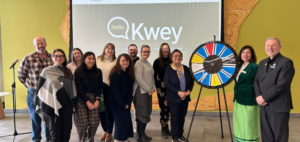 Bannock Language Lab to enhance familiarity with the Anishinàbe language, encouraging them to use traditional words and phrases with confidence.
 campus, we are sharing vocabulary, phrases and information to familiarize learners and employees with the traditional language.
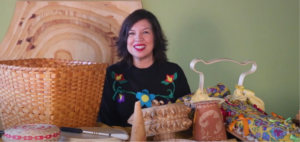 campus, we are sharing vocabulary, phrases and information to familiarize learners and employees with the traditional language.
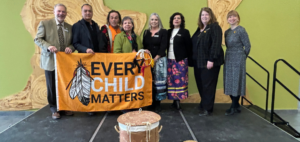 available to learners this fall.
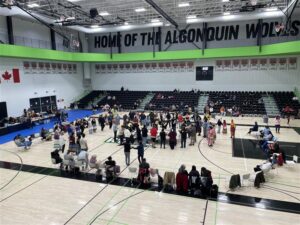 the Algonquin Students’ Association.
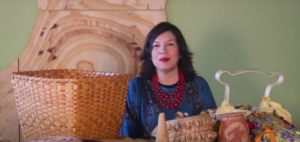 campus, we are sharing vocabulary, phrases and information to familiarize learners and employees with the traditional language.