Through the Learner’s Lens: A Conversation about Indigenization at Algonquin College
Posted on Thursday, September 10th, 2026
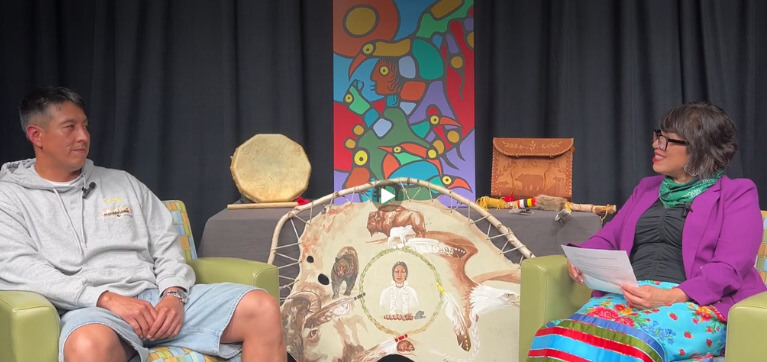
Algonquin College has always had deep ties to the Algonquin Anishinàbe Peoples, beginning with the school’s namesake and a multi-pronged approach to Truth, Reconciliation and Indigenization woven into campus life, events and corporate elements.
National Day for Truth and Reconciliation is observed in Canada annually on Sept. 30. It is a day of memorial to recognize the atrocities and multi-generational effects of the Canadian residential school system. Ahead of Sept. 30, which is also colloquially known as Orange Shirt Day, Anita Tenasco, Director, Indigenous Initiatives at Algonquin College, sat down for an important conversation with Duran Tolley, a current student and Mamidosewin Centre Student Navigator reflecting on Indigenization at the College through the learners’ lens.
In 2026, Algonquin College had over 1,100 Indigenous students enrolled at Algonquin College, with a record high 374 Indigenous graduates crossing the stage at the Spring Convocation. Algonquin College supports First Nations. Métis and Inuit students, from a variety of communities locally and across the country through the Mamidosewin Indigenous Student Centre. Indigenization and reconciliation happen year-round at Algonquin College.
In addition to the Mamidosewin Centre, the College also has Indigenous cultural elements integrated into campus life and its corporate programs, including the Indigenous Knowledge, Work, and Entrepreneurship (IKWE) program to support and empower Indigenous students.
Algonquin College has continued to transform its campuses with new Indigenous spaces and cultural installations. Highlights included new murals the Pìwànak, the Algonquin Centre for Science and Innovation. These spaces provide welcoming environments for Indigenous learners and create visible reminders of the College’s commitment to reconciliation.
Previous Indigenization initiatives include Indigenous naming of street and pathway names, the creation of Indigenous themed murals, and adding elements at campus wide events including Convocation like the SpiritWolf singers during the graduate procession. Over the past few years, the Kwey Language series has taught the community the Anishinàbemowin language and a new Indigenous Studies diploma, to name a few.
Looking ahead, on Sept. 30, author Niigaan Sinclair will be speaking at an event on-campus, and the Department of Indigenous Initiatives will host an interactive large Indigenous Peoples Atlas map from the Royal Canadian Geographical Society.
Watch the full video below for this insightful conversation from the learners’ perspective.
To learn more about Indigenous efforts at Algonquin College, please visit our website, algonquincollege.com/tri.
Mìgwech.
- Posted in
- Words
- Tags: